| The short answer | Yes — dehydration and nerve tingling are linked. Low fluids come with lost electrolytes (sodium, potassium, magnesium, calcium), and those minerals carry the electrical charge your nerves need. When they drift out of balance, nerves misfire — felt as tingling, buzzing and muscle twitching. |
| Why twitching too | Muscles fire on nerve signals that depend on steady electrolytes. When levels fall, signalling turns erratic, so you get twitches, spasms and cramps in the calves, feet or eyelids. |
| What to do | Rehydrate steadily through the day, replace electrolytes (not just plain water) when you sweat, and see a clinician if tingling is persistent, spreading or comes with weakness or confusion. |
Most of us think of dehydration as a headache, a dry mouth, maybe a mid-afternoon slump. Fewer people connect it to that unsettling tingling, buzzing or pins-and-needles feeling in the hands and feet — or to the little muscle twitches that flicker in an eyelid or a calf. Yet the relationship between dehydration and nerve tingling is real, and once you understand it, it becomes one of the easiest everyday causes to rule in or out.
Your nervous system runs on electricity. Nerves send messages by shuttling charged particles — electrolytes — in and out of their cells thousands of times a second. Water is the medium that keeps that whole system fluid, and electrolytes are the charge that makes it work. When you fall short on either, the signalling can become noisy, and that noise is exactly what you feel as tingling or twitching. This guide explains the mechanism in plain language, shows you the warning signs, and lays out the simple, food-and-fluid-first habits that help — always alongside a proper check from your clinician when symptoms persist.
To fire a signal, a nerve briefly lets sodium rush in and potassium flow out, creating a tiny electrical pulse that travels down the fibre. Calcium and magnesium help control how easily that happens and how quickly the nerve resets afterwards — the balancing act MedlinePlus sets out in its overview of fluid and electrolyte balance. The whole process is beautifully balanced — and it depends on those minerals being present in the right concentrations, dissolved in the right amount of fluid.
When you become dehydrated, two things happen at once. First, the total volume of fluid in and around your cells drops. Second, you often lose electrolytes along with the water — through sweat, or through the same illness (vomiting, diarrhoea) that caused the dehydration in the first place. As concentrations shift, nerves can become either over-excitable or sluggish. An over-excitable nerve fires when it shouldn't, and your brain reads those false signals as tingling, prickling or a faint electric buzz, most often in the extremities where the longest nerves reach.
This is the part people miss: plain water is only half the story. If you sweat heavily and then drink litres of water without replacing any minerals, you can actually thin out your electrolytes further and feel worse, not better. Sensible rehydration means restoring fluid and the minerals dissolved in it — which is why a pinch of salt in food, a piece of fruit, or an electrolyte drink after a hot workout can settle symptoms faster than water by itself.

The same wiring explains the twitches. A muscle contracts because a nerve tells it to, and that instruction relies on calcium, magnesium, sodium and potassium moving in a precise rhythm. When dehydration disturbs that rhythm, the signal can stutter — firing in little repeated bursts (a twitch), or locking the muscle into a sustained, painful contraction (a cramp).
That is why the classic pattern of dehydration includes:
None of these prove dehydration on their own, but together — especially after heat, exercise or an illness — they are a strong clue that your fluid and mineral balance needs attention.
Everyone dehydrates, but some people cross the threshold into nerve symptoms more easily than others:
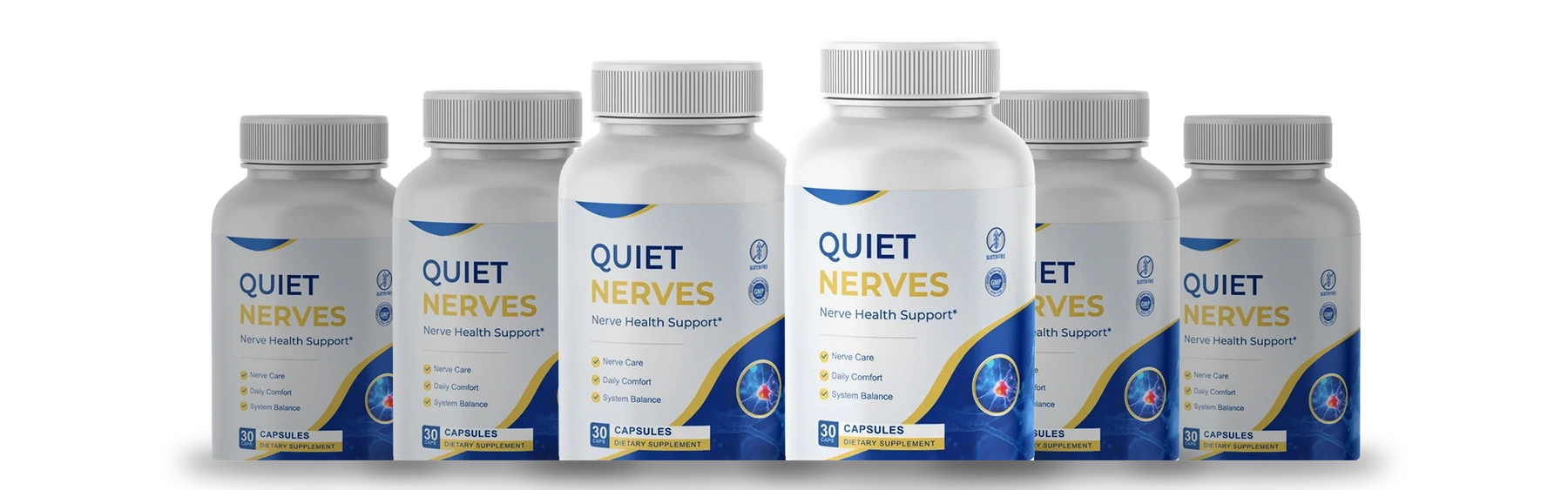
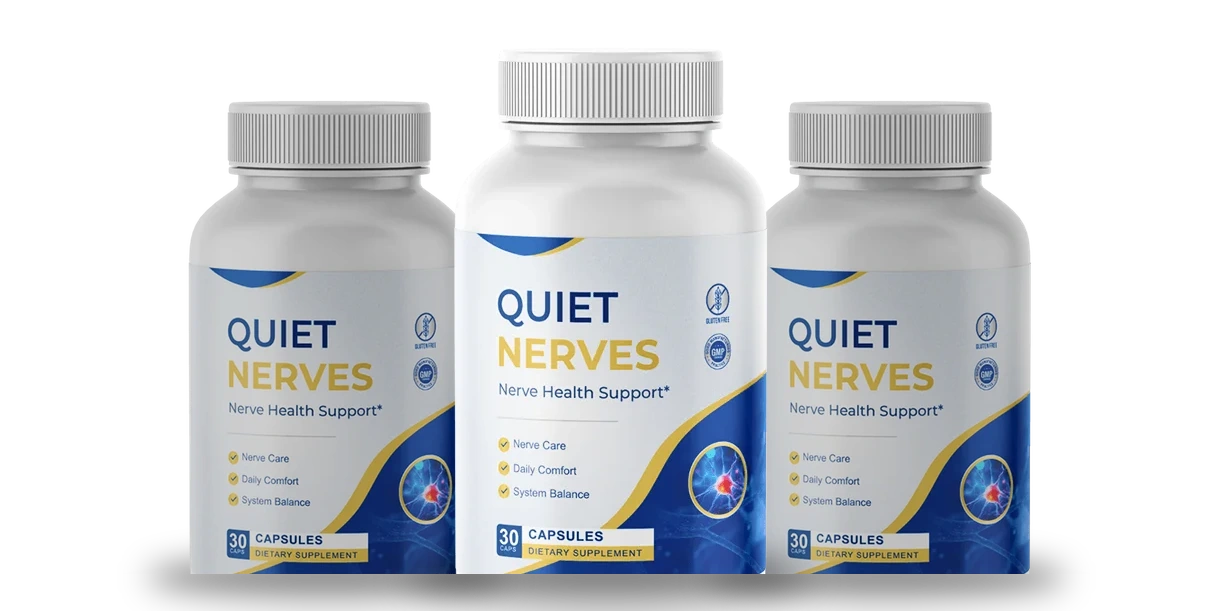
Quiet Nerves is a once-daily capsule that names six ingredients: magnesium glycinate, alpha lipoic acid, butcher’s broom, L-carnitine, turmeric and coenzyme Q10. It contains no B vitamins or calming botanicals, the brand has not published the amounts, and every pack carries a 60-day guarantee from the purchase date.
 See Quiet Nerves Packages
The goal is steady, sensible hydration rather than dramatic swings. A few practical habits cover most people:
Your body absorbs and uses fluid best when it arrives gradually. Keep water within reach and take small drinks regularly rather than downing a large glass only when you are already parched. A useful self-check is the colour of your urine: pale straw is on track, dark amber suggests you are behind.
On a normal day, a balanced diet supplies the minerals you need. On a hot day, a long run or after an illness, add electrolytes deliberately — a lightly salted meal, a banana or other potassium-rich fruit, dairy or a fortified plant milk for calcium, and magnesium-rich foods such as nuts, seeds and leafy greens. Our guide to the best foods for nerve health shows how these minerals sit alongside the B-vitamins and omega-3s your nerves depend on.
Drink a little before activity, sip during it, and rehydrate afterward with both fluid and minerals. This prevents the deep deficit that tends to trigger evening cramps and twitches.
Coffee, tea and alcohol all have a mild dehydrating tendency, so balance each with water. You do not have to give them up — just pair them with fluids so the ledger stays even.

Rehydrating usually calms mild, exercise- or heat-related tingling within a day. But tingling and twitching have many possible causes, and it is important not to assume. If your symptoms are persistent, spreading, one-sided, or come with weakness or numbness, other explanations deserve a look — from a pinched nerve to a nutritional shortfall. A low level of vitamin B12, for example, is a well-recognised and very fixable cause; our guide on vitamin B12 deficiency and nerve tingling explains how to spot it. And if your tingling seems to travel with a wired, anxious feeling rather than thirst, stress and anxiety can cause nerve tingling too.
The sensible rule of thumb: treat hydration as the easy first thing to fix, but do not let it become the story you tell yourself to avoid getting a lingering symptom checked. Balance — in fluids, in minerals, and in how seriously you take a persistent signal — is the theme throughout.
No capsule replaces a glass of water, and it should not try to. But because dehydration so often runs alongside low intake of the key nerve minerals, a sensible daily supplement can help keep those nutrients steady when your diet is inconsistent. Quiet Nerves provides magnesium, as magnesium glycinate, as part of an everyday routine; it contains no B vitamins and no added electrolytes. Think of it as topping up the tank, alongside good hydration, real food and a calm daily rhythm like the one in our daily routine to calm nervous tension. Supplements support prevention and maintenance; they are not a treatment for a medical problem.
Reach out to a clinician promptly if tingling or twitching is persistent, spreading or one-sided, or if it arrives with severe thirst, dizziness, a racing heart, confusion or muscle weakness — signs that dehydration may be significant or that something else is going on. Anyone on diuretics or with a heart or kidney condition should be especially careful with fluid and electrolyte balance and follow their own clinician's advice. This article is general information, not a diagnosis or treatment plan.
Yes, it can contribute. When you are low on fluids you also tend to lose electrolytes such as sodium, potassium, magnesium and calcium, and those minerals carry the electrical charge your nerves use to fire correctly. When their balance drifts, nerves can misfire, which you may feel as tingling, pins-and-needles or a buzzing sensation. Rehydrating sensibly usually settles mild cases, but persistent tingling should be checked by a clinician.
Muscles contract in response to nerve signals, and those signals depend on a steady flow of electrolytes across cell membranes. When fluid and mineral levels fall, the signalling becomes erratic, which can show up as twitches, spasms or cramps, often in the calves, feet or eyelids. Replacing both water and electrolytes, not water alone, is the sensible fix for mild, exertion-related cases.
There is no single number that fits everyone, because needs change with body size, activity, heat and diet. A practical guide is to drink enough that your urine stays pale straw-coloured and you rarely feel thirsty. Spread fluids through the day rather than gulping a lot at once, and drink more when it is hot or you are sweating. If you exercise hard or sweat heavily, include some electrolytes, not just plain water.
It can, in unusual circumstances. Drinking very large amounts of plain water very quickly can dilute your sodium level, a state called hyponatraemia, which can itself cause tingling, nausea, confusion and muscle problems. This is why balance matters: the goal is steady, sensible hydration with adequate electrolytes, not extreme intake in either direction.
See a clinician if tingling or twitching is persistent, spreading, one-sided, or comes with weakness, dizziness, confusion or a very dry mouth alongside a fast heartbeat. These can point to significant dehydration or another cause that needs assessment. This article is general information and is not a diagnosis or a substitute for personalised medical advice.
† These statements have not been evaluated by the FDA. This product is not intended to diagnose, treat, cure or prevent any disease. It is general reading, not medical advice for your situation.
Text
Researched and written by the Quietnervese Editorial Team from the Quiet Nerves bottle, the brand’s own ingredient list and the agency and journal sources linked on the page.
Review
A second team member compares every figure and claim with its source before publication. No physician or pharmacist reviews these pages, so they are not medical advice.
Revision
. Found an error? Report it.
Have a doctor check any tingling, numbness or burning that has no known cause before you lean on a supplement; if weakness or numbness strikes one side of the body suddenly, call 911.
 Quiet Nerves