| The short answer | Vitamin B12 helps maintain the protective coating around your nerves, so a genuine deficiency is a well-recognised cause of nerve tingling, pins-and-needles and numbness — usually felt first in the hands and feet. |
| Who is at risk | Older adults, vegans and strict vegetarians, people on certain long-term medications, and anyone with digestion that affects absorption. |
| What to do | Ask a clinician for a simple blood test, eat B12-rich or fortified foods, and cover everyday gaps sensibly — earlier is better, because long-standing shortfalls are harder to fully undo. |

Tingling, buzzing and pins-and-needles can come from many places — a pinched nerve, a night spent lying awkwardly, stress. But one cause is quiet, common and very fixable: a shortage of vitamin B12. Understanding the link between vitamin B12 deficiency and nerve tingling can be the difference between chasing a mysterious symptom and solving it at the root.
B12 is one of the most important nutrients for your nervous system, and low levels are more common than most people realise, particularly with age. This guide explains why the shortfall causes tingling, who is most at risk, and the practical, food-first steps that help — always alongside a proper check from your clinician.
Your nerves are wrapped in a fatty insulating layer called myelin, a bit like the plastic coating on an electrical wire. It keeps signals travelling quickly and cleanly. Vitamin B12 is essential for building and maintaining that coating, and for producing healthy nerve cells — which is why the NIH Office of Dietary Supplements lists neurological changes among the first consequences of a shortfall.
When B12 runs low over time, the coating and the nerve fibres themselves can be affected. The result is faulty signalling — the brain receives “static” from nerves that should be quiet, which you feel as tingling, prickling, numbness or a pins-and-needles sensation. Because the longest nerves are affected first, symptoms often begin in the feet and hands and can gradually creep inward.
The body stores B12, so a deficiency can develop over months or years. That slow onset is exactly why it is easy to miss: the tingling arrives so gradually that you may not link it to your diet or your digestion. If you have had persistent, unexplained tingling, B12 is worth ruling in or out.

Nerve tingling rarely travels alone. A low B12 level can also show up as:
None of these confirm a deficiency on their own — only a blood test can — but together they are a strong reason to ask your clinician about checking your level. If your tingling seems more tied to worry and a wired feeling, our guide on whether stress and anxiety cause nerve tingling covers that angle.
B12 is absorbed through a surprisingly complex, multi-step process, so a shortfall is not only about how much you eat — it is also about how well you absorb it. People at higher risk include:
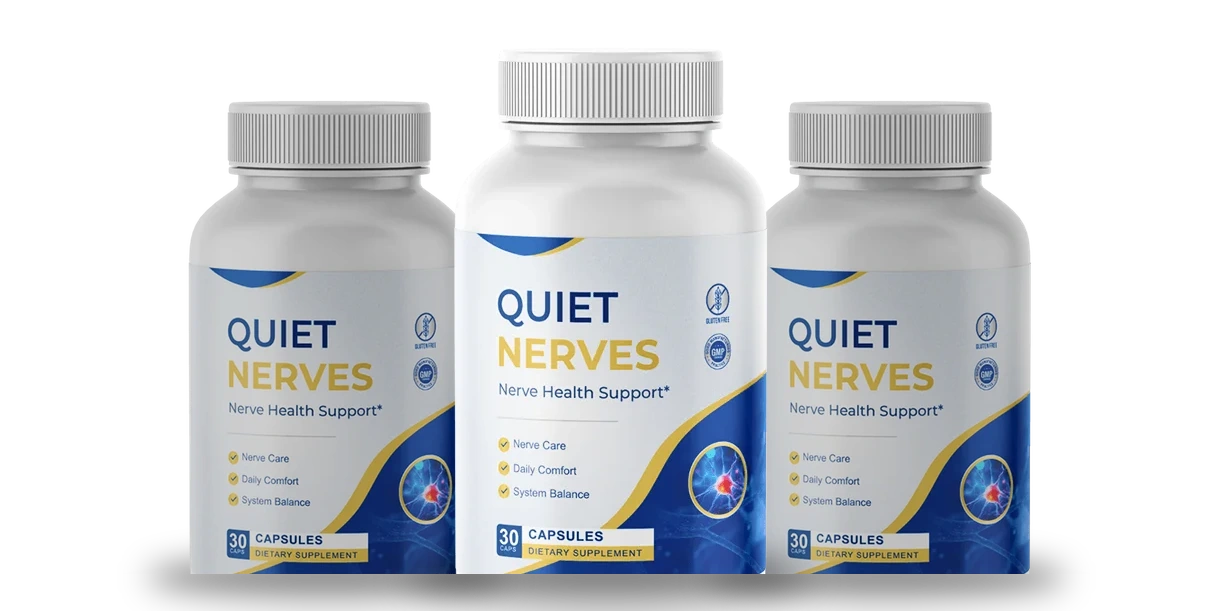
Quiet Nerves is a once-daily capsule that names six ingredients: magnesium glycinate, alpha lipoic acid, butcher’s broom, L-carnitine, turmeric and coenzyme Q10. It contains no B vitamins or calming botanicals, the brand has not published the amounts, and every pack carries a 60-day guarantee from the purchase date.
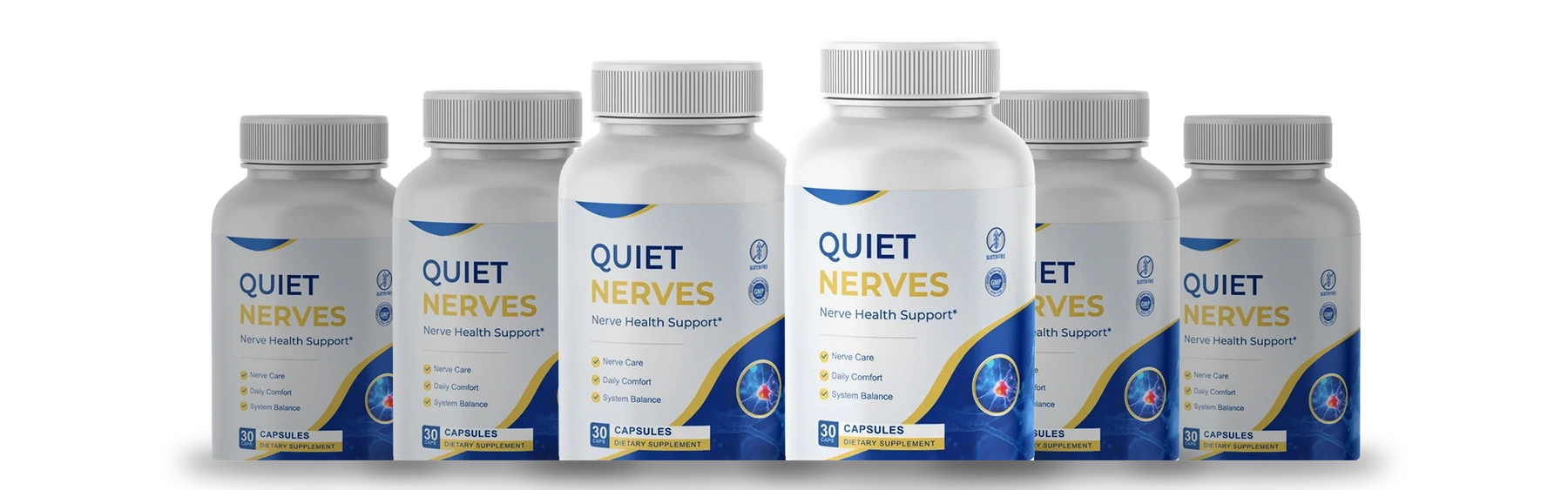 See Quiet Nerves Packages
For most people, food is the first and best source. Vitamin B12 is found almost entirely in animal foods and in fortified products:
If you eat little or no animal food, fortified foods and a supplement become important rather than optional. Our broader guide to the best foods for nerve health shows how B12 fits alongside magnesium, omega-3s and antioxidants on a nerve-friendly plate.
B12 does not act alone. It works in close partnership with folate (vitamin B9) and vitamin B6 to keep the nervous system running smoothly and to manage a compound called homocysteine that the body prefers to keep in check. This is one reason a broad, balanced intake of the B-group tends to serve your nerves better than fixating on a single vitamin. It is also why leafy greens, beans and whole grains — rich in folate — belong on the plate alongside your B12 sources.
A word of caution runs the other way, too: more is not automatically better. Very high doses of certain nutrients, such as long-term high-dose vitamin B6 from supplements, can actually work against nerve comfort. The sensible aim is to cover your needs reliably rather than to mega-dose, which is another reason testing and professional guidance matter. If your tingling seems to travel with restless, wired evenings rather than a clear nutritional cause, our guide on a daily routine to calm nervous tension may be a better first step.
If a blood test shows you are low, your clinician will guide the right form and dose — sometimes higher-dose tablets or injections for a true deficiency. For everyday maintenance, a B12 supplement or fortified foods do that job; Quiet Nerves contains no vitamin B12, so it is not a substitute for either. The key point: supplements support prevention and maintenance, but a diagnosed deficiency needs proper medical management, not guesswork.
Persistent, spreading or worsening tingling always deserves a proper look — and B12 is one of the simplest things to check with a blood test. See a clinician promptly if tingling comes with fatigue, balance trouble, a sore tongue, or memory changes, and mention any medications you take. Acting early matters, because long-standing shortfalls are harder to fully reverse. This article is general information, not a diagnosis or treatment plan.
Yes. Vitamin B12 is essential for maintaining the protective coating around nerves, and a shortfall is a well-recognised cause of tingling, pins-and-needles and numbness, often felt first in the hands and feet. Because the effects can build slowly, the tingling may creep in before you connect it to your diet. A blood test can confirm whether B12 is low.
Older adults, people on vegan or strict vegetarian diets, those taking certain long-term medications such as metformin or acid reducers, and anyone with digestive conditions that affect absorption are all more likely to run low. Because B12 is absorbed in a multi-step process, it is not only about how much you eat but how well you absorb it.
Most adults need only small daily amounts, found in fish, meat, eggs, dairy and fortified foods. People who eat animal foods usually get enough, but vegans, older adults and those with absorption problems often need fortified foods or a supplement. Ask a clinician to check your level before assuming, since both too little and unnecessary mega-dosing are worth avoiding.
If tingling is genuinely due to a B12 shortfall, restoring healthy levels under medical guidance can help, and earlier is generally better because long-standing gaps are harder to fully resolve. This is why testing matters: taking B12 will not help if your tingling has a different cause. Always work with a clinician rather than self-treating persistent symptoms.
See a clinician if tingling is persistent, spreading or getting worse, or if it comes with fatigue, balance problems, a sore tongue or memory changes. Ask about a simple blood test. This article is general information, not a diagnosis, and B12 problems should always be assessed and managed professionally.
† These statements have not been evaluated by the FDA. This product is not intended to diagnose, treat, cure or prevent any disease. It is general reading, not medical advice for your situation.
Text
Researched and written by the Quietnervese Editorial Team from the Quiet Nerves bottle, the brand’s own ingredient list and the agency and journal sources linked on the page.
Review
A second team member compares every figure and claim with its source before publication. No physician or pharmacist reviews these pages, so they are not medical advice.
Revision
. Found an error? Report it.
Have a doctor check any tingling, numbness or burning that has no known cause before you lean on a supplement; if weakness or numbness strikes one side of the body suddenly, call 911.
 Quiet Nerves