| The short answer | Yes — stress and anxiety can trigger real tingling, buzzing and pins-and-needles through the body’s fight-or-flight response, changes in breathing, and muscle tension pressing on nerves. |
| Why it happens | Adrenaline redirects blood flow, rapid breathing shifts blood chemistry, and tense muscles compress nerves — all of which the nervous system registers as tingling. |
| What helps | Slow breathing, regular movement, good sleep, limiting caffeine, and steadily supporting the nutrients a calm nervous system relies on. |
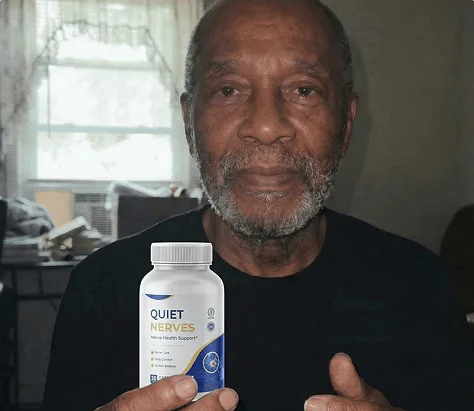
It can be unsettling: you are stressed, wound up or anxious, and suddenly your hands tingle, your arms buzz, or your face feels faintly pins-and-needly. It is natural to wonder whether something is wrong with your nerves. So can stress and anxiety cause nerve tingling? The short answer is yes — and understanding why can take a lot of the fear out of the sensation.
Stress-related tingling is real, not “all in your head.” It is produced by concrete physical changes the body makes when it feels under threat. This guide explains the mechanism in plain language and, more importantly, walks through the habits that help settle a wired nervous system.
When your brain senses a threat — whether a genuine emergency or a stressful email — it triggers the fight-or-flight response. This ancient survival system floods the body with adrenaline and cortisol and prepares you to act, and the National Institute of Mental Health describes the same cascade behind the physical symptoms people report under sustained stress. Several of its effects can produce tingling.
Adrenaline shunts blood toward the large muscles you would use to fight or run, and away from the extremities and skin. That shift in circulation to the hands, feet and face is one reason those areas can tingle or feel cool during stress.
Stress makes breathing faster and shallower. Over-breathing, or hyperventilation, lowers the level of carbon dioxide in the blood, which changes how nerves fire. The classic result is tingling around the mouth and in the hands and fingers — a very common and completely reversible cause of pins-and-needles.
Under stress, muscles brace — shoulders creep up, jaws clench, hands grip. Sustained tension can press on nearby nerves and blood vessels, producing tingling or numbness in the arms and hands. This is why a tense, hunched afternoon at a desk can leave your fingers buzzing.

Here is the loop that catches many people out: you notice tingling, you worry that something is seriously wrong, the worry increases your stress, and the extra stress makes the tingling worse. Recognising this feedback loop is genuinely helpful, because simply understanding that stress can cause harmless tingling often takes the alarm out of it — which lets the sensation fade.
Stress-related tingling tends to have a telltale pattern: it shows up during or after anxious moments, it can move around the body, it often affects both sides, and it eases as you calm down. That is quite different from tingling that is constant, one-sided and steadily worsening, which deserves a professional look.
When the buzzing starts and the worry loop kicks in, having a simple, memorised sequence to fall back on is worth more than any amount of theory. Try this the next time you feel stress-related tingling building:
Practised a few times when you are already calm, this reset becomes second nature — so it is ready when you actually need it.
A nervous system that is well-nourished is generally better at returning to baseline after stress. A few nutrients are especially relevant:
Magnesium is sometimes called the relaxation mineral because of its role in the body’s calming pathways and in healthy nerve signaling — and stress itself can deplete it. B-vitamins support nerve tissue, energy and mood, and are used up more quickly during demanding periods. Traditionally calming botanicals — passionflower, chamomile and the adaptogen schisandra berry — have long been used to support a settled, balanced feeling. These support everyday nerve comfort and calm; they are not a treatment for an anxiety disorder.
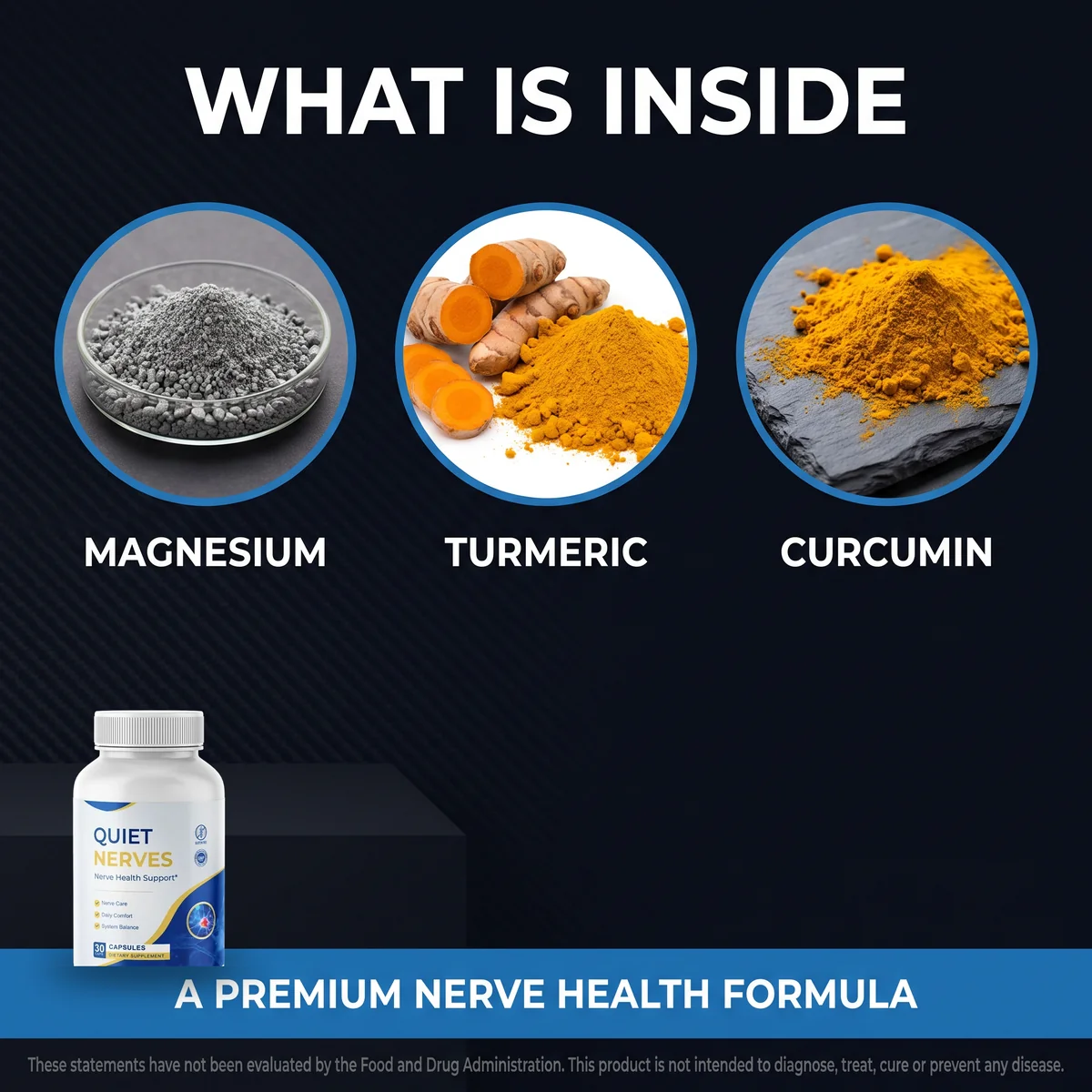
Quiet Nerves is a once-daily capsule that names six ingredients: magnesium glycinate, alpha lipoic acid, butcher’s broom, L-carnitine, turmeric and coenzyme Q10. It contains no B vitamins or calming botanicals, the brand has not published the amounts, and every pack carries a 60-day guarantee from the purchase date.
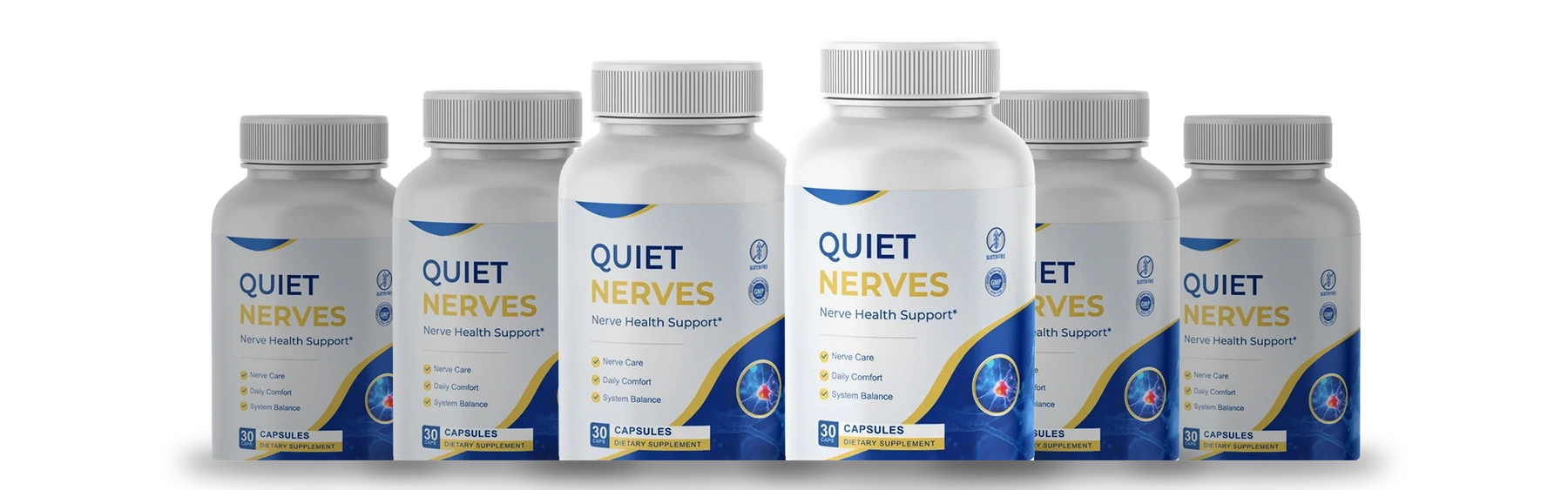 See Quiet Nerves Packages
These are the levers with the best track record for dialling down stress-related tingling:
If your tingling is more about position and circulation than stress — for instance, buzzing feet in bed — our guide on why your feet tingle at night covers that angle, and the broader natural nerve-health guide ties the nutrients together.
If stress or anxiety is affecting your daily life, sleep or relationships, please talk to a healthcare professional — effective support exists and reaching out is a strength, not a weakness. Seek urgent care for sudden, severe or one-sided symptoms, for weakness, or for tingling accompanied by chest pain, a drooping face or trouble speaking. Everyday nutritional and lifestyle support is a complement to professional care, not a replacement, and this article is general information rather than medical advice.
Yes. When you are anxious, the body activates its fight-or-flight response: adrenaline rises, blood flow is redirected toward major muscles, breathing quickens, and muscles tense. Any of these can produce very real tingling, buzzing, numbness or pins-and-needles, most often in the hands, feet, arms or face. The sensations are genuine even though the trigger is stress rather than nerve damage.
Rapid, shallow breathing during stress (hyperventilation) lowers carbon dioxide in the blood, which changes how nerves fire and commonly causes tingling around the mouth, in the hands and in the fingers. Redirected blood flow and muscle tension add to it. Slowing your breathing usually eases this type of tingling within a few minutes.
Stress-related tingling often appears during or after anxious moments, moves around the body, affects both sides, and settles as you calm down. Tingling that is constant, steadily worsening, one-sided, or paired with weakness or loss of function is less likely to be simple stress and should be checked by a clinician. When in doubt, get it assessed.
Magnesium is involved in the body’s relaxation response and healthy nerve signaling, and the B-vitamins help maintain nerve tissue and support energy and mood. Traditionally calming botanicals such as passionflower and chamomile have long been used to support a settled feeling. These support general nerve comfort and are not a treatment for anxiety.
If anxiety or stress is affecting your daily life, sleep or wellbeing, talk to a healthcare professional — support is available and effective. Seek prompt care for sudden, severe or one-sided symptoms, weakness, or tingling with chest pain or trouble speaking, which need urgent evaluation. This article is educational and not a diagnosis.
† These statements have not been evaluated by the FDA. This product is not intended to diagnose, treat, cure or prevent any disease. It is general reading, not medical advice for your situation.
Text
Researched and written by the Quietnervese Editorial Team from the Quiet Nerves bottle, the brand’s own ingredient list and the agency and journal sources linked on the page.
Review
A second team member compares every figure and claim with its source before publication. No physician or pharmacist reviews these pages, so they are not medical advice.
Revision
. Found an error? Report it.
Have a doctor check any tingling, numbness or burning that has no known cause before you lean on a supplement; if weakness or numbness strikes one side of the body suddenly, call 911.
 Quiet Nerves