| The idea | A calm nervous system is built by small daily habits, not one big fix — morning light and movement, steady fuel through the day, and a consistent evening wind-down. |
| Morning | Light, water, gentle movement and a protein-forward breakfast to set a steady tone. |
| Evening | Dim lights, slow breathing, a screen curfew and a consistent bedtime to let the nervous system downshift. |
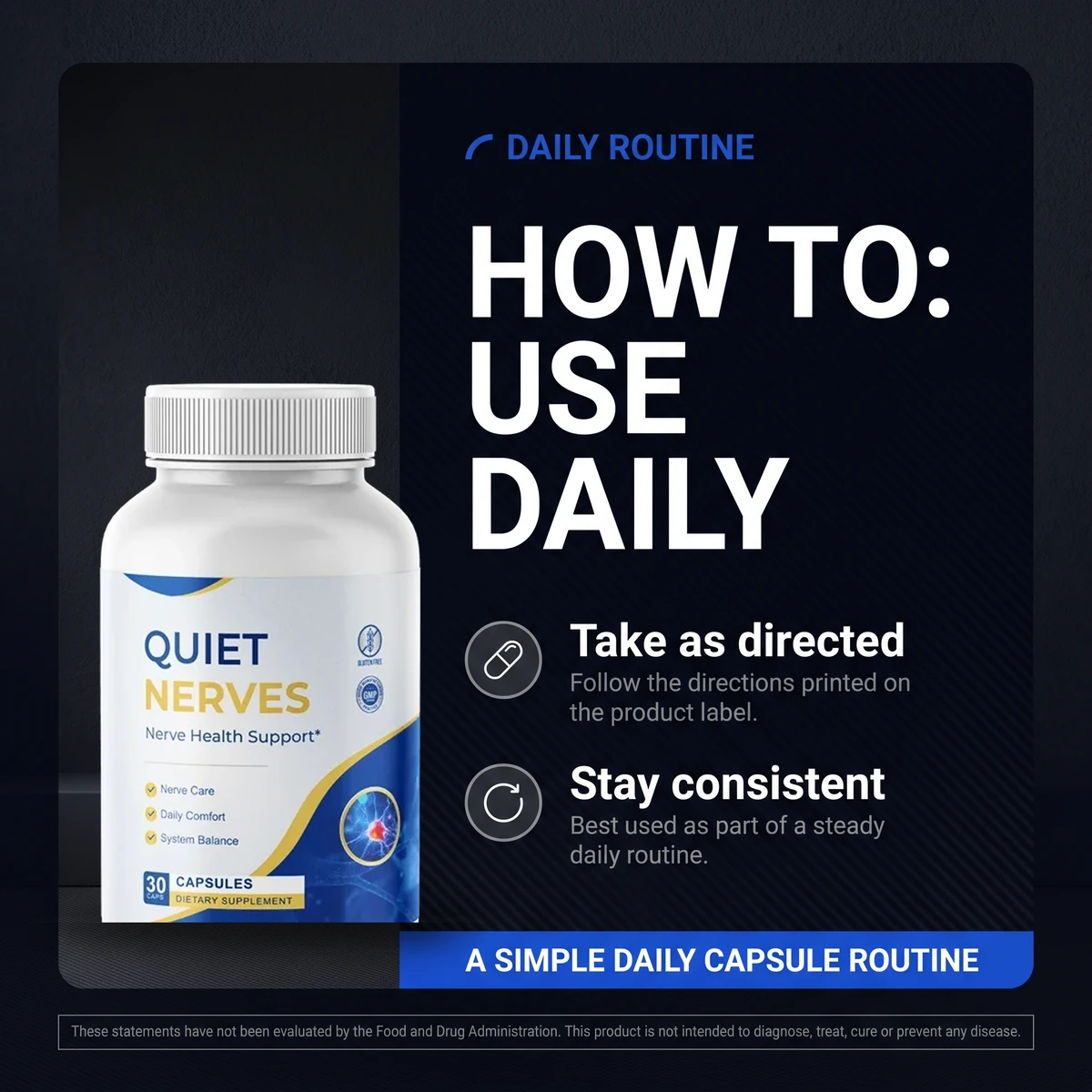
If your nerves feel wound-up — a tense, wired, hard-to-settle feeling, maybe with restlessness or the odd bout of tingling — the instinct is to look for a single fix. But a settled nervous system is really the sum of many small, repeatable choices across the day. This is a practical daily routine to calm nervous tension, from the moment you wake to the moment you fall asleep, built from habits that gently steer the nervous system toward calm.
None of it is dramatic, and you do not need to do all of it. Pick a few steps, make them consistent, and let them compound. Consistency is the active ingredient.
How you start the day shapes how reactive your nervous system is for the rest of it. The wind-down and breathing steps later in this routine are the everyday versions of the practices reviewed by the National Center for Complementary and Integrative Health.
Get some natural light soon after waking — open the curtains or step outside for a few minutes. Morning light helps anchor your body clock, which in turn supports steadier energy by day and easier sleep at night.
You wake mildly dehydrated, and even mild dehydration can leave nerves more excitable. A glass of water first thing, before coffee, is a tiny habit with an outsized calming payoff.
A short walk, some stretching or a few minutes of easy mobility work boosts circulation to your hands and feet and discharges overnight stiffness. It does not need to be a workout — consistency beats intensity.
A protein-forward breakfast — eggs, yoghurt, oats with nuts — blunts the blood-sugar spikes and crashes that leave you jittery and on edge. Steady fuel means steadier nerves.

The middle of the day is where tension quietly accumulates. A few guardrails keep it in check:
If daytime stress is a big driver for you, our deeper dive on how stress and anxiety cause nerve tingling explains the mechanism and adds more in-the-moment tools.
The evening routine is where restlessness is won or lost. The goal is to signal to your body that the day is over.
To make it concrete, here is how the pieces can fit into an ordinary day. Treat it as a menu, not a rulebook — shift the timings to suit your life:
Notice how modest each item is. That is the point: small, repeatable steps are what a nervous system responds to over time.
Habits work best on a well-nourished nervous system. Keep blood sugar steady with whole foods, and lean on nerve-friendly staples: magnesium-rich greens, nuts, seeds and beans; B-vitamins from fish, eggs and whole grains; and antioxidants from colourful produce. Traditionally calming botanicals — chamomile, passionflower and the adaptogen schisandra berry — have long been used to support a settled, balanced feeling in the evening. For the full nutrient breakdown, see how to support nerve health naturally.
Quiet Nerves is a once-daily capsule that names six ingredients: magnesium glycinate, alpha lipoic acid, butcher’s broom, L-carnitine, turmeric and coenzyme Q10. It contains no B vitamins or calming botanicals, the brand has not published the amounts, and every pack carries a 60-day guarantee from the purchase date.
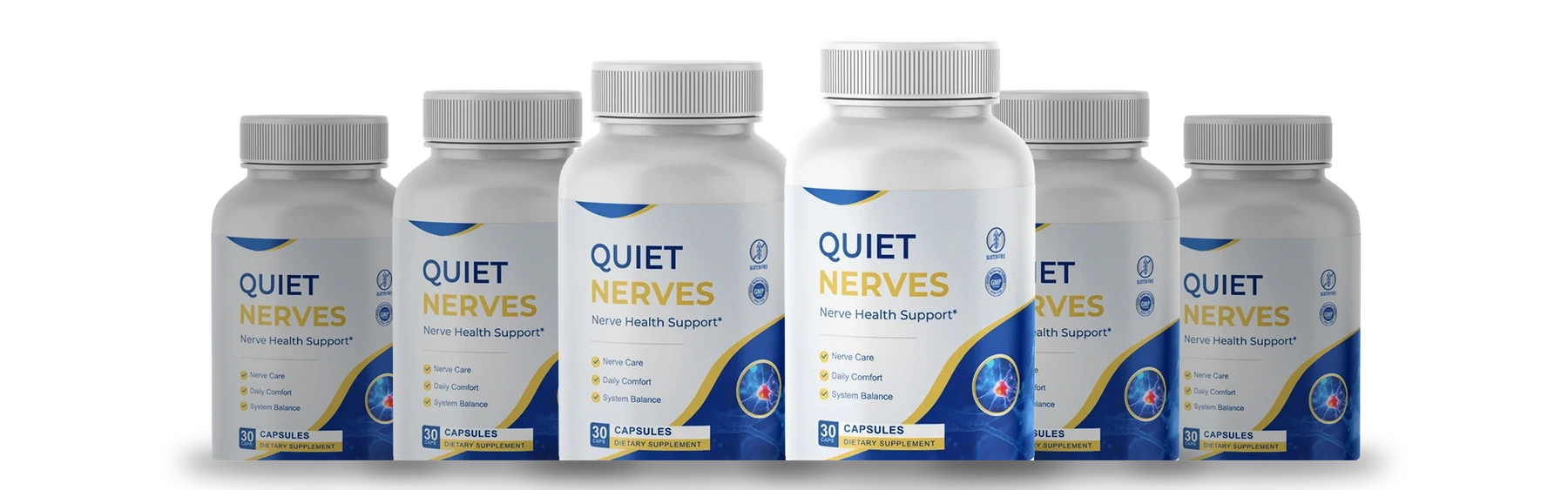 See Quiet Nerves Packages
You do not have to overhaul your life overnight. Choose one habit from the morning, one from the day and one from the evening, and repeat them until they are automatic. Then add another. A once-daily supplement such as Quiet Nerves can sit inside this routine as an easy nutrition anchor. Give it all several weeks — the nervous system rewards patience — and remember that everyone is different, so individual results vary.
A calming routine supports everyday wellbeing, but it is not a treatment for a medical condition. If tension, anxiety or nerve symptoms are affecting your daily life, sleep or relationships, or if anything is severe, persistent or getting worse, please talk to a healthcare professional. This article is general educational information and not medical advice.
The most effective routine is a consistent one. In the morning, get natural light, hydrate, move gently and eat a protein-forward breakfast. Through the day, keep blood sugar steady, take movement breaks and manage caffeine. In the evening, dim the lights, slow your breathing, set a screen curfew and keep a regular bedtime. Consistency matters far more than any single step.
Some steps, like slow breathing or a warm bath, help within minutes. The bigger benefit — a nervous system that settles more easily overall — builds over weeks of repetition. Give a new routine at least a few weeks before judging it, and remember that everyone is different and individual results vary.
Yes. Caffeine is a stimulant that can amplify the physical signs of tension, such as a racing heart, jitteriness and tingling. It also lingers in the body for hours, so an afternoon coffee can still be affecting you at bedtime. Many people find that moving their last caffeine earlier in the day noticeably calms their evenings.
Whole foods that keep blood sugar steady are the foundation: protein, fibre, healthy fats and plenty of vegetables. Magnesium-rich foods (greens, nuts, seeds, beans) and B-vitamins support healthy nerve function, and traditionally calming botanicals such as chamomile and passionflower have long been used to support a settled feeling. A daily supplement can help cover gaps.
No. A calming daily routine supports everyday wellbeing but is not a treatment for a medical condition. If tension, anxiety or nerve symptoms are affecting your life, or if symptoms are severe, persistent or worsening, speak with a healthcare professional. This article is general educational information, not medical advice.
† These statements have not been evaluated by the FDA. This product is not intended to diagnose, treat, cure or prevent any disease. It is general reading, not medical advice for your situation.
Text
Researched and written by the Quietnervese Editorial Team from the Quiet Nerves bottle, the brand’s own ingredient list and the agency and journal sources linked on the page.
Review
A second team member compares every figure and claim with its source before publication. No physician or pharmacist reviews these pages, so they are not medical advice.
Revision
. Found an error? Report it.
Have a doctor check any tingling, numbness or burning that has no known cause before you lean on a supplement; if weakness or numbness strikes one side of the body suddenly, call 911.
 Quiet Nerves