| The short answer | Understanding how alcohol affects nerve health comes down to three things happening at once with regular heavy drinking: it drains the B-vitamins nerves depend on (especially B1 and B12), it dehydrates the body and disturbs electrolytes, and its by-products can irritate nerve tissue directly. |
| The result | Over months and years, that combination is a well-recognised contributor to tingling, numbness and burning in the hands and feet. |
| What helps | Keep drinking modest, take several alcohol-free days each week, stay well hydrated and well nourished, and see a clinician about persistent symptoms. |
A glass of wine with dinner is one of life's ordinary pleasures, and for most people the occasional drink is not the issue. But when it comes to the nervous system, the amount and the pattern matter a great deal. The relationship between alcohol and nerve health is one of the clearest in nutrition science: regular heavy drinking is a well-established contributor to tingling, numbness and burning in the hands and feet.
The reason is that alcohol works against your nerves through several channels at the same time — nutritional, chemical and circulatory. Understanding each one makes it easier to see where the sensible limits lie, and what you can do to protect your nerves if you do drink. This guide walks through the mechanisms in plain language and lays out the practical, nerve-friendly habits that help — with a clear note on when symptoms deserve a professional's attention.
This is the big one. Alcohol interferes with how the gut absorbs several B-vitamins and how the body stores and uses them — and heavy drinkers often eat less well on top of that, compounding the shortfall. Thiamine (vitamin B1) is especially vulnerable, and B12 and folate frequently run low too — a pattern the National Institute on Alcohol Abuse and Alcoholism sets out among alcohol’s effects on health. Since these vitamins are essential for building and maintaining healthy nerve tissue, a sustained shortage leaves nerves poorly supplied. Our guide on vitamin B12 deficiency and nerve tingling explains just how central B12 is to the protective coating around your nerves.
Alcohol is a diuretic, meaning it makes you lose more fluid than you take in, and it disturbs the balance of the minerals — sodium, potassium, magnesium, calcium — that nerves use to fire correctly. That is a large part of why a heavy night can leave you with tingling, twitching and cramps the next day. Our companion guide on whether dehydration causes nerve tingling and twitching goes deeper into that electrolyte connection.
When the body breaks alcohol down, it produces compounds that, in large or repeated amounts, can be directly irritating to nerve fibres. Combined with the nutrient drain and dehydration, this is why chronic heavy drinking — rather than an occasional glass — is the real concern for long-term nerve health.
It helps to separate the two very different situations here. A single heavy night mainly causes short-lived tingling through dehydration and disturbed electrolytes; rehydrate, eat well, rest, and it usually passes. The serious, lasting nerve effects come from the slow accumulation — months and years of frequent heavy drinking that steadily depletes nutrients and irritates nerve tissue.
That distinction is empowering, because it means the pattern is what you can change. If occasional drinking regularly leaves you with tingling the next day, treat that as useful feedback from your body rather than something to ignore. And if you notice tingling creeping in that does not fully clear, it is worth acting early.
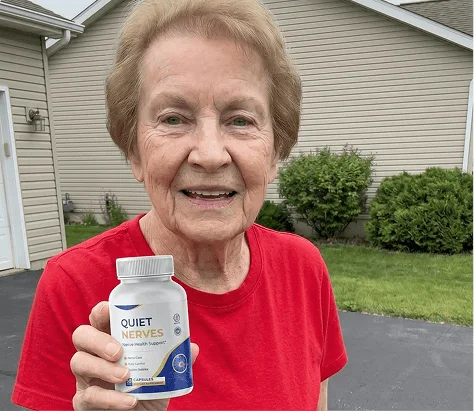
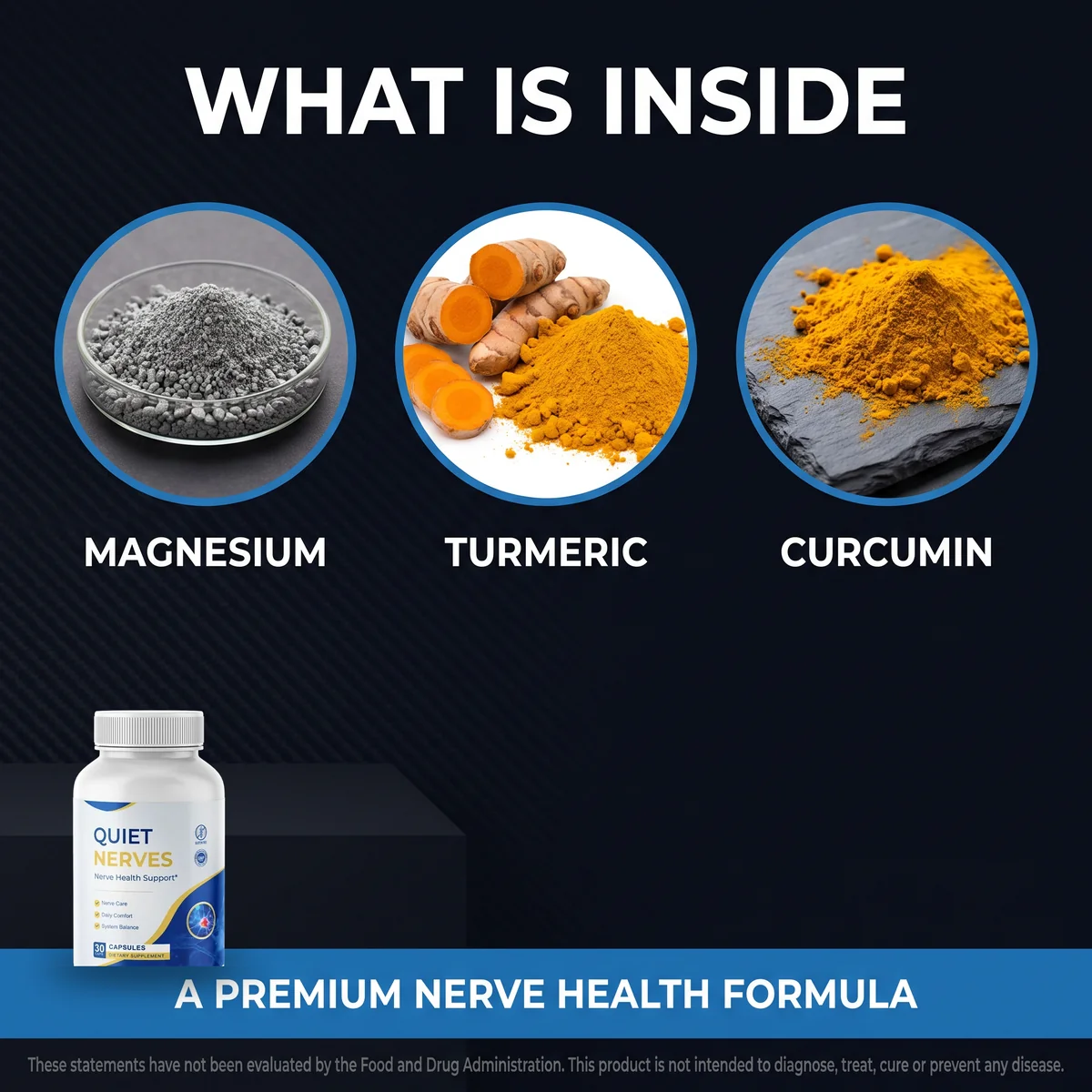
Quiet Nerves is a once-daily capsule that names six ingredients: magnesium glycinate, alpha lipoic acid, butcher’s broom, L-carnitine, turmeric and coenzyme Q10. It contains no B vitamins or calming botanicals, the brand has not published the amounts, and every pack carries a 60-day guarantee from the purchase date.
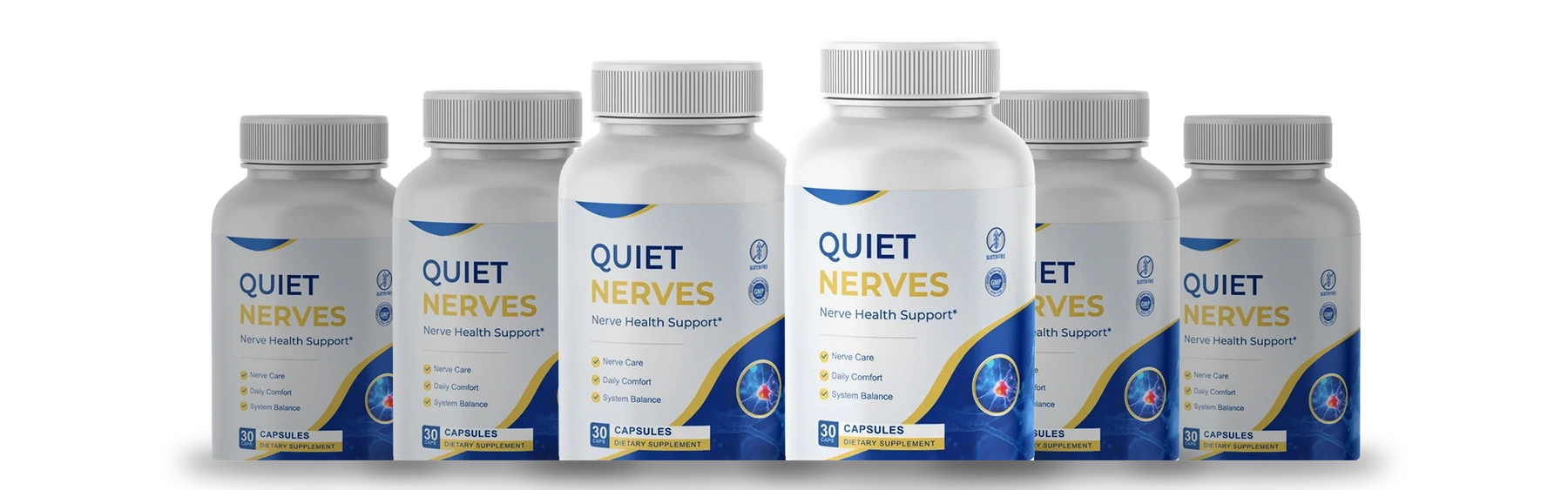 See Quiet Nerves Packages
You do not have to be a non-drinker to look after your nerves. A few sensible habits make a real difference.
Health authorities agree that less is better and that no level of drinking is completely risk-free. For nerves specifically, the key is avoiding regular heavy use: keep amounts modest and build in several alcohol-free days each week to let your body recover and rebuild its nutrient stores.
Eating well is your best defence. A diet rich in whole grains, leafy greens, beans, eggs, fish and dairy supplies the B-vitamins and minerals that alcohol depletes. Our guide to the best foods for nerve health is a good blueprint.
Match drinks with water to blunt the dehydrating effect and keep electrolytes steadier. It also naturally slows your pace.
Many drinks are sugar-heavy, and blood-sugar swings put their own strain on nerves over time — our guide on how sugar affects nerve health explains that overlap, which alcohol often makes worse.

Let us be clear: no supplement cancels out heavy drinking, and none should be marketed as if it does. What a sensible daily supplement can do is help maintain the B-vitamins and magnesium that a modern lifestyle — including the odd drink — tends to erode, so your nerves stay better nourished day to day. Quiet Nerves covers only part of that: it lists magnesium glycinate but no B vitamins, so anyone short of thiamine needs a doctor’s advice rather than this capsule. It belongs in the context of moderate drinking, good food and good hydration, not as a workaround for any of them.
See a clinician if you have persistent tingling, numbness, burning or weakness in the hands or feet, particularly alongside regular drinking — early assessment matters, because nerve involvement is easier to address sooner rather than later. It is also wise to seek support if you find it difficult to cut down; help is available and effective. This article is general information, not a diagnosis or treatment plan, and it is not advice about managing alcohol dependence.
Regular heavy drinking affects nerves in several ways at once. Alcohol interferes with the absorption and use of B-vitamins that nerves depend on, especially B1 and B12, it dehydrates the body and disturbs electrolytes, and its by-products can be directly irritating to nerve tissue. Over time this combination is a well-recognised contributor to tingling, numbness and burning in the hands and feet. Moderate, occasional drinking is far less of a concern than frequent heavy use.
A single heavy night mainly causes tingling through dehydration and disturbed electrolytes, which usually settles once you rehydrate and recover. The more serious, lasting nerve effects come from repeated heavy drinking over months and years, which gradually depletes nutrients and irritates nerve tissue. If occasional drinking regularly leaves you with tingling, it is worth paying attention to the pattern.
Yes. Alcohol interferes with how the gut absorbs several B-vitamins and how the body stores and uses them, while heavy drinkers also tend to eat less well. Thiamine, vitamin B1, is especially affected, and low B1 and B12 are important reasons alcohol is linked with nerve symptoms. Eating well and, where appropriate, supplementing under guidance helps protect these nutrients.
Health authorities generally advise that less is better and that drinking within recommended limits lowers risk, with no level of drinking being completely risk-free. For nerve health specifically, the concern is regular heavy drinking rather than an occasional glass. Keeping to modest amounts, having several alcohol-free days each week and staying well nourished all reduce the strain on your nerves. Anyone worried about their drinking should speak to a clinician.
See a clinician if you have persistent tingling, numbness, burning or weakness in the hands or feet, especially alongside regular drinking, as these can be signs of nerve involvement that benefits from early assessment. It is also wise to seek support if you find it hard to cut down. This article is general information and not a diagnosis or a substitute for medical advice.
† These statements have not been evaluated by the FDA. This product is not intended to diagnose, treat, cure or prevent any disease. It is general reading, not medical advice for your situation.
Text
Researched and written by the Quietnervese Editorial Team from the Quiet Nerves bottle, the brand’s own ingredient list and the agency and journal sources linked on the page.
Review
A second team member compares every figure and claim with its source before publication. No physician or pharmacist reviews these pages, so they are not medical advice.
Revision
. Found an error? Report it.
Have a doctor check any tingling, numbness or burning that has no known cause before you lean on a supplement; if weakness or numbness strikes one side of the body suddenly, call 911.
 Quiet Nerves