| The short answer | Yes — poor sleep and nerve pain feed each other. Short, broken sleep lowers your pain threshold, so the same nerve signal feels sharper, keeps the nervous system wound up, and nudges inflammation higher. The result is more tingling and discomfort the day after a bad night. |
| Why it loops | Discomfort then makes sleep harder, so the cycle self-reinforces. Improving sleep is one of the most practical ways to break it. |
| What helps | Keep a consistent sleep-wake time, wind down screen-free, cool and darken the bedroom, skip afternoon caffeine and evening alcohol, and take pressure off any limb that tingles. |
Anyone who has lain awake with a buzzing foot or an aching hand knows the frustration: the discomfort keeps you up, and the lack of sleep seems to make the discomfort worse the next day. That is not just a feeling. The link between poor sleep and nerve pain is well documented, and it runs in both directions — which is exactly why it can feel like a loop you cannot escape.
The good news is that a loop has two entry points, and sleep is often the easier one to influence. This guide explains how short or fragmented sleep amplifies tingling and nerve discomfort, why symptoms tend to feel loudest at night, and the practical, drug-free habits that help you sleep more deeply and wake more comfortable — always alongside a clinician's advice when symptoms persist.
Three well-studied mechanisms are at work when a bad night leaves your nerves feeling touchier the next day.
Sleep is when the body does much of its repair and recalibration. When it is cut short, the threshold at which you register discomfort drops — an effect measured directly in a 2023 sleep-deprivation trial published in Sleep Medicine, and consistent with how the National Institute of Neurological Disorders and Stroke describes the repair work of sleep. A nerve signal that would have passed unnoticed after a good night feels distinctly more intense after a poor one. Nothing about the nerve has changed; your brain's volume dial has simply been turned up.
Deep, restful sleep shifts you into the calming, "rest-and-digest" side of the nervous system. Skimp on it and you spend more of your day in the alert, "fight-or-flight" state, which makes nerves more excitable and sensations more insistent. This is the same wired, over-alert state that our guide on whether stress and anxiety cause nerve tingling explores in depth — and poor sleep is one of the most reliable ways to trigger it.
Consistently short sleep is associated with higher levels of the body's inflammatory signals. Since inflammation can make nerve tissue more sensitive, a run of bad nights can leave nerves generally more reactive. Restoring good sleep helps the body return to a calmer baseline.
There is also a simpler reason symptoms feel louder after dark. During a busy day, your attention is spread across a hundred things, and a faint tingle barely registers. At night the distractions fall away, the room goes quiet, and that same subtle sensation suddenly has the stage to itself. Add tiredness — which lowers your tolerance — and lying still, which can compress nerves or slow circulation to a limb, and you have the classic recipe for nighttime tingling.
If your symptoms cluster in the feet or legs at night specifically, two of our other guides go deeper: why your feet tingle at night and what causes restless legs at night. And if you wake with dead, numb hands, position is often the culprit — our guide on numb hands while sleeping covers the fixes.
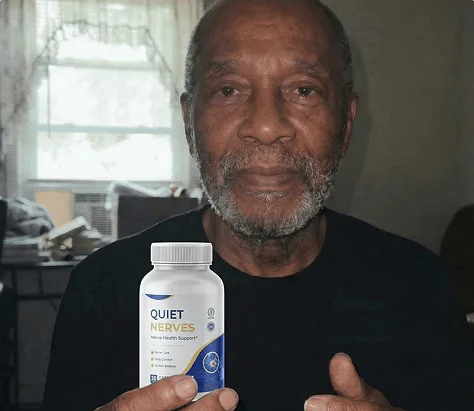
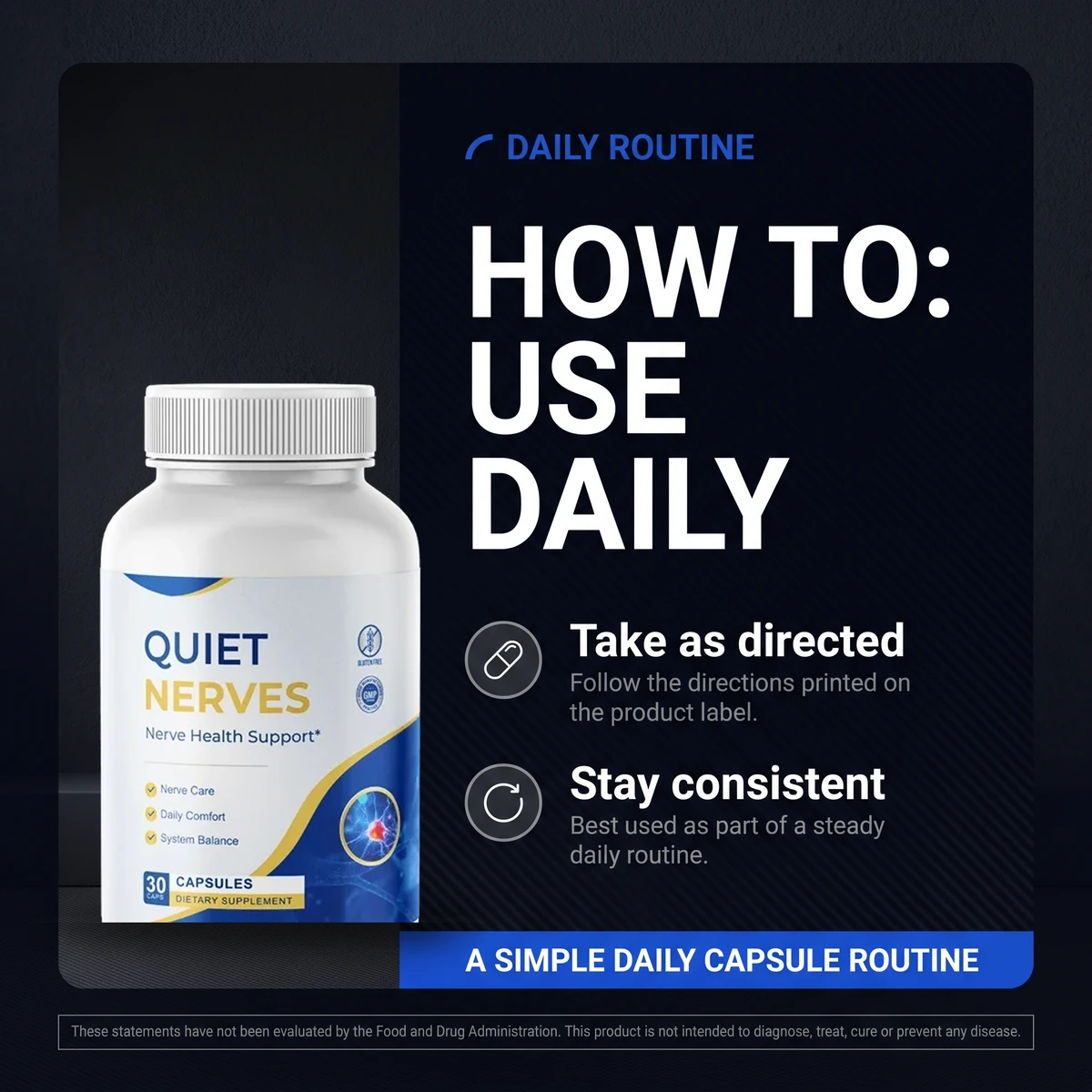
Quiet Nerves is a once-daily capsule that names six ingredients: magnesium glycinate, alpha lipoic acid, butcher’s broom, L-carnitine, turmeric and coenzyme Q10. It contains no B vitamins or calming botanicals, the brand has not published the amounts, and every pack carries a 60-day guarantee from the purchase date.
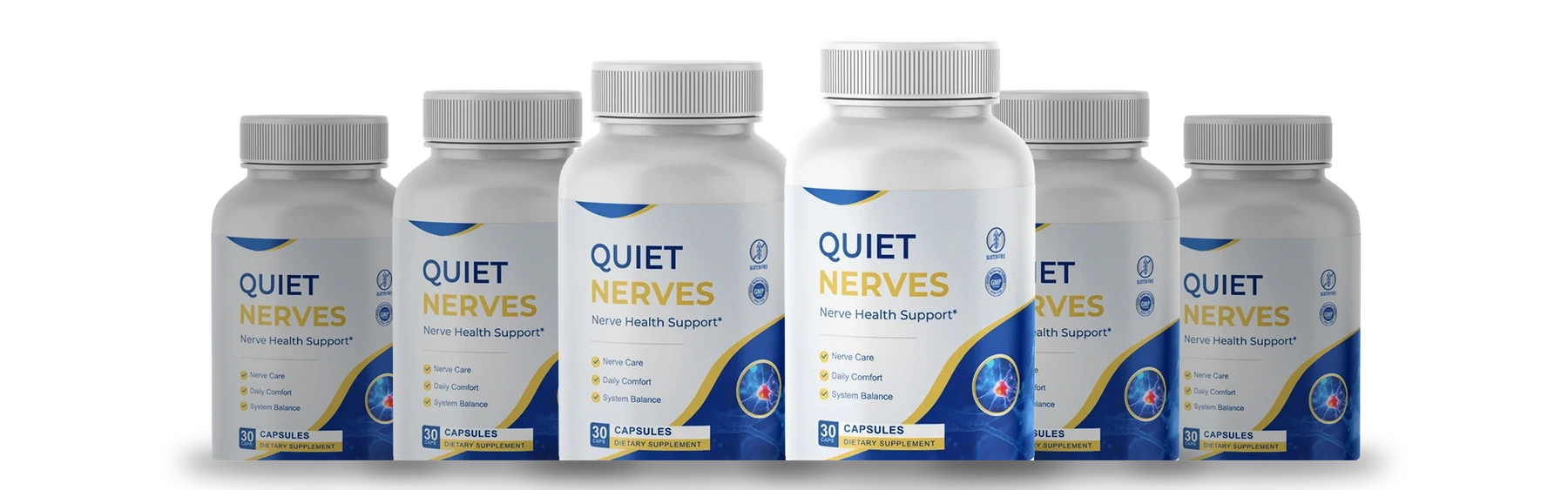 See Quiet Nerves Packages
You cannot force sleep, but you can build the conditions that invite it — and calm the nervous system so tingling has less to feed on.
Going to bed and waking at roughly the same time every day, weekends included, is the single most powerful sleep habit. It trains your body clock, which in turn steadies the nervous system.
Give yourself 30 to 60 minutes of low light and no screens before bed. Reading, gentle stretching, a warm shower or slow breathing all signal to the body that it is safe to power down. Our full daily routine to calm nervous tension lays out a morning-to-night rhythm that makes evenings easier.
A slightly cool, dark, quiet room is the body's preferred sleeping environment. Blackout curtains, a fan or white noise, and a comfortable mattress all reduce the little disturbances that fragment sleep.
Caffeine can linger for many hours, so keep it to the morning. And while a drink may feel relaxing, alcohol fragments the second half of the night and can worsen tingling — our guide on how alcohol affects nerve health explains why.
If a certain position sets off tingling, adjust it. A pillow between the knees, a neutral wrist position, or a small change in how you lie can keep a nerve from being compressed all night.

No supplement is a substitute for good sleep habits, and none should be sold as a sleeping pill. But because calm nerves and restful sleep depend on the same underlying nutrients — magnesium and the B-vitamins chief among them — keeping those steady can support the wind-down you are working toward. Quiet Nerves contains magnesium glycinate but no B vitamins or sleep botanicals, and its label makes no sleep claim, so treat it as a nerve-support capsule rather than a bedtime aid. Think habit first, nutrition as backup.
Speak to a clinician if nerve pain or tingling regularly wakes you, if symptoms are spreading or worsening, or if poor sleep persists despite good habits. Loud snoring with breathing pauses, an irresistible urge to move the legs at night, or daytime exhaustion all deserve assessment, because a treatable sleep or nerve condition may be involved. This article is general information, not a diagnosis or treatment plan — and it is not a substitute for advice about any prescribed sleep or pain medication.
Yes. Research consistently shows that short or broken sleep lowers the body's pain threshold, meaning the same nerve signal feels more intense after a bad night. Poor sleep also keeps the nervous system in a more wound-up, alert state and raises inflammation, both of which can make tingling and discomfort feel sharper. It becomes a two-way street, because discomfort then makes sleep harder, so improving sleep is a practical place to break the loop.
At night there are fewer distractions, so subtle sensations become more noticeable, and lying still can put pressure on nerves or reduce circulation to the limbs. Tiredness also lowers your tolerance for discomfort. Together these mean tingling that you barely noticed during a busy day can feel much louder once you are in bed and everything else is quiet.
Most adults do best with about seven to nine hours of reasonably unbroken sleep. Consistency matters as much as total hours: going to bed and waking at similar times helps regulate the nervous system. Rather than chasing a perfect number, aim for enough sleep that you wake feeling reasonably refreshed most days and are not relying on caffeine to function.
Keep the bedroom cool, dark and quiet, wind down with a screen-free routine for 30 to 60 minutes, and avoid caffeine in the afternoon and heavy alcohol in the evening. Gentle stretching, a warm shower and slow breathing can settle a wired nervous system. If a specific position triggers tingling, adjust your pillows or posture so pressure is taken off the affected limb.
See a clinician if nerve pain or tingling regularly wakes you, if symptoms are worsening or spreading, or if poor sleep is persistent despite good habits. Loud snoring with pauses, an uncontrollable urge to move the legs, or daytime exhaustion also deserve assessment. This article is general information and not a diagnosis or a substitute for professional advice.
† These statements have not been evaluated by the FDA. This product is not intended to diagnose, treat, cure or prevent any disease. It is general reading, not medical advice for your situation.
Text
Researched and written by the Quietnervese Editorial Team from the Quiet Nerves bottle, the brand’s own ingredient list and the agency and journal sources linked on the page.
Review
A second team member compares every figure and claim with its source before publication. No physician or pharmacist reviews these pages, so they are not medical advice.
Revision
. Found an error? Report it.
Have a doctor check any tingling, numbness or burning that has no known cause before you lean on a supplement; if weakness or numbness strikes one side of the body suddenly, call 911.
 Quiet Nerves