| The short answer | When your nerves feel worse in cold weather, circulation is usually the reason. Cold narrows the small blood vessels near the skin to conserve heat, so less oxygen-rich blood reaches the hands and feet — and nerves that are already sensitive notice the shortfall as extra tingling, numbness or ache. |
| Why it flares | Cold also makes nerves themselves more excitable and muscles tighter and stiffer, which stacks on top of the reduced blood flow. |
| What helps | Layer up (especially hands, feet and head), keep moving to drive circulation, warm up gradually, and limit smoking and excess caffeine, which narrow vessels further. |
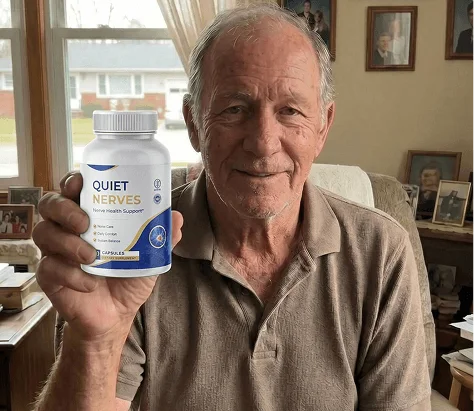
As the temperature drops, a familiar complaint returns: fingers that go numb, feet that tingle in the morning, an old ache that seems to sharpen with the first cold snap. If you have ever wondered why your nerves feel worse in cold weather, you are noticing something real, not imagining it — and the explanation is mostly about blood flow.
Your nerves are living tissue with a constant appetite for oxygen and nutrients, both delivered by blood. Anything that reduces circulation to the extremities can make nerves signal less cleanly, and cold is one of the most reliable everyday circulation-narrowers there is. This guide explains exactly why cold has that effect, who tends to feel it most, and the practical warming habits that keep hands and feet comfortable through the season — with a clear note on when a flare is worth getting checked.
When you step into the cold, your body's first priority is protecting your core temperature. To do that, it narrows the tiny blood vessels near the skin and in the extremities — a process called vasoconstriction — so warm blood stays closer to your vital organs. The nerve endings in your skin are doing their own work at the same time: the cold-sensing channels reviewed in a 2025 paper in the European Journal of Medicinal Chemistry are the same ones implicated in cold-induced pain, and in some people the vessel response goes further still, into the pattern MedlinePlus describes as Raynaud’s disease. It is a clever survival response, but it has a side effect: your hands, feet, nose and ears receive less blood, and therefore less oxygen and fewer nutrients.
For nerves that are already a little sensitive — whether from age, a nutritional shortfall, long hours of sitting, or simply the wear of everyday life — that reduced supply is enough to tip a quiet nerve into a noisy one. The result is more tingling, more numbness, or a deeper ache in the very areas that get coldest first.
It is not only about blood flow. Cold makes nerve fibres conduct differently and can make them more excitable, so signals that would normally pass unnoticed register as prickling or pain. Cold also stiffens muscles and connective tissue, which can press on or crowd nearby nerves and add a mechanical layer to the discomfort. Put the three together — less blood, touchier nerves, tighter muscles — and you have the classic winter flare.

Two patterns come up again and again. The first is timing: symptoms often feel worst first thing on a cold morning. Overnight your body cools, you barely move, and circulation to the hands and feet reaches its lowest point — then you wake into a cold room with stiff muscles. It is the perfect storm for tingling and numbness, which is why the same symptoms that trouble you at dawn often ease once you have warmed up and got moving. If nighttime and early-morning tingling in the feet is a regular theme for you, our guide on why your feet tingle at night digs into the overnight side of the story.
The second pattern is location: fingers, toes, ears and the tip of the nose feel it first because they are furthest from your warm core and have the highest surface-area-to-volume ratio, so they lose heat fastest and get the tightest vessel narrowing. This is also why keeping your whole body warm matters — if your core is cold, it will pull blood away from your fingers and toes to protect itself.
Quiet Nerves is a once-daily capsule that names six ingredients: magnesium glycinate, alpha lipoic acid, butcher’s broom, L-carnitine, turmeric and coenzyme Q10. It contains no B vitamins or calming botanicals, the brand has not published the amounts, and every pack carries a 60-day guarantee from the purchase date.
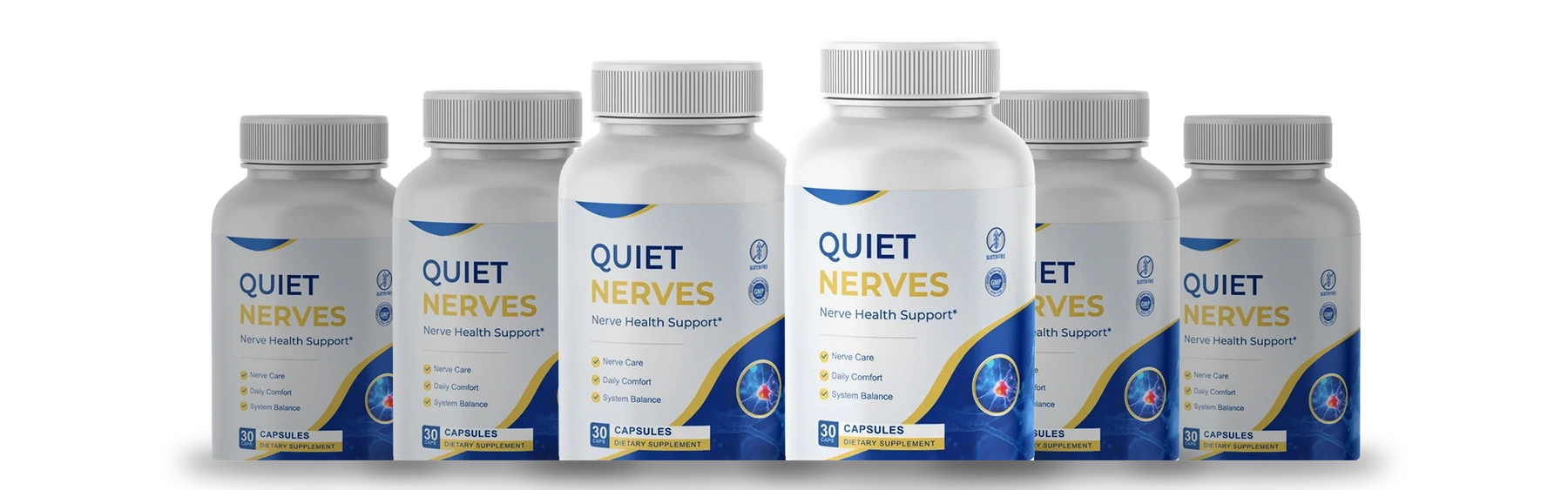 See Quiet Nerves Packages
The whole strategy comes down to one idea: keep blood flowing to your extremities. These habits do exactly that.
Warm socks, insulated gloves and a hat make a bigger difference than a single heavy coat, because so much heat escapes from the hands, feet and head. Keeping your core warm tells your body it can afford to send blood back out to your fingers and toes.
Movement is the most powerful circulation booster you have. A brisk walk, gentle stretching, or even repeated ankle circles and finger flexes drive warm blood into the extremities. Our guide to the best exercises for nerve health and circulation is full of gentle moves that suit cold days indoors.
Resist the urge to plunge frozen hands into very hot water. A rapid temperature swing is uncomfortable and, for sensitive nerves, can be startling. Lukewarm water, warm layers and gentle movement rewarm you more kindly.
Nicotine and excess caffeine both narrow blood vessels, working against you in the cold. You do not have to be perfect — but cutting back on smoking and heavy coffee gives your circulation more room to do its job.
A nerve-friendly diet supplies the B-vitamins, magnesium, omega-3s and antioxidants that keep both nerves and blood vessels in good shape. Our overview of the best foods for nerve health shows how to build that into everyday meals.

Warm layers and movement handle the outside; nutrition handles the inside. Because cold flares are partly about how well nerves are nourished and how cleanly they signal, a sensible daily supplement can help keep the key nutrients steady when winter eating gets patchy. Quiet Nerves supplies magnesium glycinate, turmeric and four other named ingredients, though no B vitamins. It is a maintenance habit that sits alongside good circulation practices — not a replacement for staying warm or for medical care.
Most cold-related symptoms are temporary and ease with warmth. But see a clinician if your fingers or toes turn white or blue and are slow to recover their colour, if numbness or tingling is persistent or one-sided, or if even mild cold triggers severe pain or dramatic colour changes. These can point to a circulation or nerve condition that deserves proper assessment. And never tough out genuine cold injury — frostbite is a medical emergency. This article is general information, not a diagnosis or treatment plan.
Cold makes the small blood vessels near the skin narrow to conserve heat, which reduces blood flow to the hands, feet and other extremities. Because nerves depend on a steady supply of oxygen and nutrients from that blood, reduced circulation can make existing tingling, numbness or nerve discomfort feel more noticeable. Cold can also make nerves themselves more sensitive and muscles tighter, which adds to the effect.
For most people, everyday cold makes symptoms feel worse temporarily rather than causing lasting damage, and comfort returns as they warm up. Genuine cold injury such as frostbite is different and does harm tissue and nerves, which is why extreme exposure should always be avoided and treated urgently. If your nerve symptoms flare badly with only mild cold, it is worth discussing with a clinician.
Layer up and pay special attention to the extremities with warm socks, gloves and a hat, since a lot of heat is lost from hands, feet and head. Keep moving to drive circulation, warm up gradually rather than plunging cold hands into hot water, avoid smoking and limit caffeine, which can narrow vessels further, and keep the rest of your body warm so it is not pulling blood away from your fingers and toes.
Overnight your body cools and you move very little, so circulation to the hands and feet is at its lowest just as you wake. Stiff muscles and a cold room add to the effect, which is why tingling and numbness can feel most obvious first thing. Gentle movement, a warm layer and a short walk usually help symptoms ease as the day warms up.
See a clinician if fingers or toes turn white or blue and are slow to recover, if numbness or tingling is persistent or one-sided, or if cold triggers severe pain or colour changes out of proportion to the temperature. These can point to a circulation or nerve condition that needs assessment. This article is general information and not a diagnosis.
† These statements have not been evaluated by the FDA. This product is not intended to diagnose, treat, cure or prevent any disease. It is general reading, not medical advice for your situation.
Text
Researched and written by the Quietnervese Editorial Team from the Quiet Nerves bottle, the brand’s own ingredient list and the agency and journal sources linked on the page.
Review
A second team member compares every figure and claim with its source before publication. No physician or pharmacist reviews these pages, so they are not medical advice.
Revision
. Found an error? Report it.
Have a doctor check any tingling, numbness or burning that has no known cause before you lean on a supplement; if weakness or numbness strikes one side of the body suddenly, call 911.
 Quiet Nerves